
The History of Gluten — And Why It Hits Differently in America vs. Italy
For many people living gluten-free, the question comes up again and again:
“Why does bread in Italy feel easier to digest than bread in the U.S.?”
The answer isn’t one single thing—it’s a combination of history, agriculture, processing, and food culture.
What Is Gluten, Really?
Gluten is a group of proteins—primarily gliadin and glutenin—found in wheat, barley, and rye.
These proteins give dough its elasticity and structure, which is why gluten is so prized in baking.
Historically, gluten wasn’t a villain. For thousands of years, humans consumed wheat in relatively modest amounts, grown slowly, processed minimally, and eaten fresh.
What changed… is how we grow and process wheat today.
A Brief History of Wheat (and Gluten)
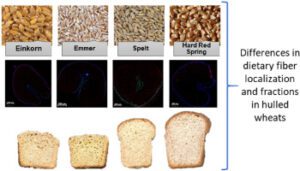
Ancient Wheat Varieties
Early civilizations relied on grains like:
-
Einkorn
-
Emmer
-
Spelt
These ancient wheats:
-
Had lower and less aggressive gluten structures
-
Were stone-milled
-
Were fermented naturally
-
Were eaten seasonally and locally
Gluten existed—but in a far gentler form.
What Changed in the United States?
United States transformed wheat faster and more aggressively than almost anywhere else.
1. Modern Wheat Breeding
Post-World War II agriculture prioritized:
-
Higher yields
-
Shorter growing cycles
-
Stronger gluten for industrial baking
This resulted in modern dwarf wheat strains with:
-
Higher gluten concentration
-
Gluten that is more resistant to digestion
👉 Wheat wasn’t genetically modified in the lab—but it was heavily hybridized for performance, not digestibility.
2. Industrial Food Processing
American wheat is often:
-
Roller-milled instead of stone-milled
-
Stripped of fiber and nutrients
-
Recombined later in processed foods
-
Used in shelf-stable products
Add to that:
-
Dough conditioners
-
Vital wheat gluten
-
Preservatives
-
Rapid yeast fermentation (instead of slow fermentation)
The result?
More gluten, less breakdown, harder digestion.
3. Gluten Is Everywhere in the U.S.
In America, gluten shows up in:
-
Sauces
-
Soups
-
Processed meats
-
Candy
-
Supplements
-
Cosmetics (yes, really)
So even people who “don’t eat bread” may still consume gluten constantly.
Why Italy Feels Different
1. Different Wheat Varieties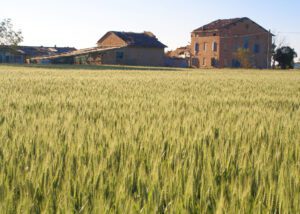
Italy primarily uses:
-
Durum wheat (especially for pasta)
-
Heritage and region-specific grains
Durum wheat:
-
Has a different gluten structure
-
Is often easier for some people to digest (not safe for celiac—but different)
2. Slow Fermentation Is the Norm
Traditional Italian bread often uses:
-
Long fermentation
-
Natural starters
-
Fewer additives
This process:
-
Pre-breaks down gluten
-
Reduces inflammatory compounds
-
Improves nutrient absorption
👉 Fermentation matters as much as the wheat itself.
3. Stricter Food Standards
Italy (and the EU) enforces:
-
Tighter rules on additives
-
Limits on certain pesticides
-
Clear gluten labeling
-
Strong protections for celiac consumers
Italy actually has one of the highest celiac diagnosis rates in the world—and one of the most accommodating food cultures for it.
The Big Takeaway
This isn’t about “Italy good, America bad.”
It’s about systems.
| Factor | United States | Italy |
|---|---|---|
| Wheat breeding | Yield & strength focused | Heritage & regional |
| Processing | Fast & industrial | Slower & traditional |
| Fermentation | Rapid yeast | Long fermentation |
| Additives | Common | Minimal |
| Food culture | Convenience | Quality & ritual |
For people with:
-
Celiac disease → Gluten is never safe
-
Non-celiac gluten sensitivity → processing matters
-
Digestive inflammation → fermentation + additives matter
How This Connects to Travel
Many gluten-free travelers report feeling:
-
Less bloated
-
Less inflamed
-
More confident eating out in Italy
Not because gluten is “safe”—but because:
-
Gluten-free awareness is high
-
Cross-contamination protocols are common
-
Restaurants take it seriously
👉 This is why we’ve created a dedicated Gluten-Free Travel section, including:
-
Italy city guides
-
What to ask servers
-
How to order safely
-
Where gluten-free travelers thrive